Headaches & TMJ Dysfunction
Headaches and jaw pain are commonly treated as isolated problems — by neurology, dentistry, or pain management — yet many cases are driven by mechanical and neuromuscular factors involving the neck, jaw, upper back, and nervous system.
At Osteopractic Physical Therapy of the Carolinas, we work with patients in Fort Mill, Charlotte, and throughout the Carolinas who experience headaches, jaw pain, clicking, clenching, or facial tension that has not fully responded to traditional care. These symptoms are often misunderstood, especially when imaging is normal or inconclusive.
Our approach focuses on identifying why symptoms persist and addressing the movement and muscular drivers that are commonly overlooked.
What Do Headaches and TMJ Dysfunction Commonly Feel Like?
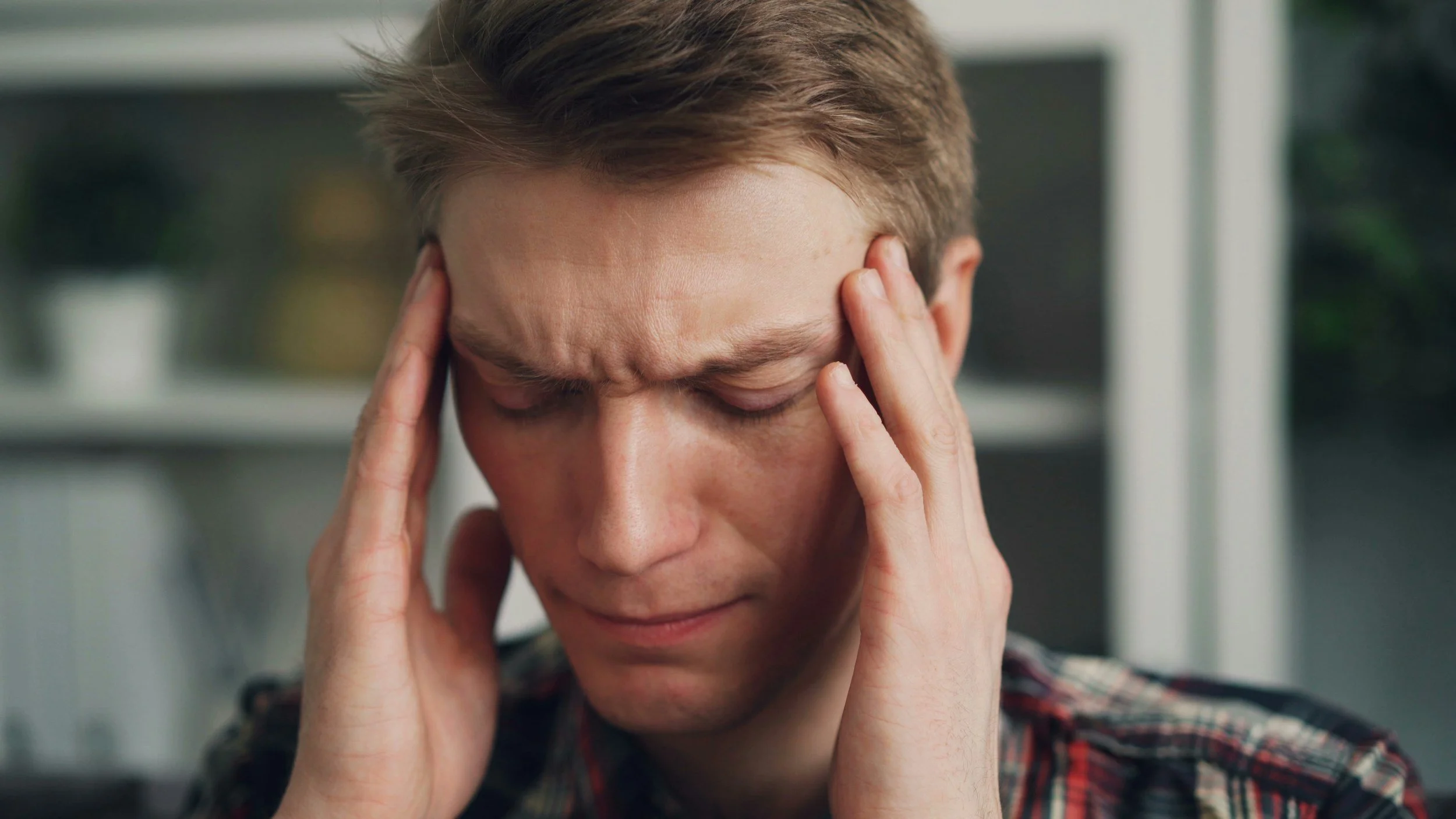
Headache- and jaw-related issues do not always feel the same from person to person. Common symptoms include:
Headaches that start at the base of the skull or behind the eyes
Tension-type or cervicogenic headaches
Jaw pain, clicking, or popping
Facial or temple tightness
Pain with chewing, talking, or yawning
Neck stiffness associated with headaches
Symptoms that worsen with stress or prolonged posture
Many patients experience both headaches and jaw symptoms together, even when they seem unrelated at first.
Why Do I Have Headaches or TMJ Pain If My Imaging Is Normal?
This is one of the most common frustrations patients report.
MRI, CT, and X-rays are excellent at identifying serious pathology, but they do not assess:
Joint motion
Muscle tone and coordination
Movement efficiency
Nervous system sensitivity
How the neck and jaw work together
Many headache and TMJ presentations are driven by:
Upper cervical joint restriction
Jaw joint (TMJ) movement dysfunction
Muscle overactivity (jaw, neck, suboccipitals, SCM, temporalis)
Poor coordination between the jaw and cervical spine
Stress-related increases in muscle tone
None of these reliably appear on imaging — but all can significantly affect symptoms.
The Connection Between the Neck, Jaw, and Headaches
The jaw and upper cervical spine share:
Muscular connections
Neural pathways
Movement dependencies
Restriction or dysfunction in one area often increases strain in the others. This is why treating the jaw alone — or the neck alone — often produces incomplete results.
At OPTC, headaches and TMJ dysfunction are evaluated as a combined system, not isolated regions.
Is TMJ Dysfunction a Dental Problem or a Physical Therapy Problem?
TMJ dysfunction can have multiple contributing factors.
While dental care is important for bite-related or structural issues, many TMJ symptoms are driven by:
Muscle overactivity
Joint restriction
Neck involvement
Movement habits and stress
Physical therapy is often appropriate when symptoms involve pain, stiffness, clicking, or functional limitation rather than structural damage.
How OPTC Treats Headaches & TMJ Differently
Treatment at Osteopractic Physical Therapy of the Carolinas focuses on:
Upper cervical and thoracic spine mobility
Jaw joint (TMJ) mechanics
Muscle tone
Nervous system regulation
Movement coordination between neck and jaw
Care may include:
Hands-on manual therapy
Spinal and TMJ mobilization or manipulation (when appropriate)
Dry needling for involved musculature
Movement and postural retraining
Education on long-term symptom management
Treatment is always individualized and one-on-one.
Why Headaches and TMJ Symptoms Often Become Chronic
Symptoms often persist because:
Treatment focuses only on pain location
The neck and jaw are treated separately
Muscle tone is addressed without restoring joint motion
Stress and load tolerance are not considered
Without addressing why symptoms are recurring, relief is often temporary.
How Many Physical Therapy Visits Does This Usually Take?
There is no fixed number, but many patients notice meaningful improvement within 3–6 focused visits when the primary drivers are identified and addressed.
Our goal is to:
Reduce symptom frequency and intensity
Improve jaw and neck movement
Restore confidence with daily activity
Prevent recurrence
FAQ
-
A: Osteopractic Physical Therapy can help headaches. Many headaches are cervicogenic or tension-related and respond well to addressing neck and jaw mechanics.
-
A: Not always. Clicking without pain or limitation is often benign, but when accompanied by symptoms, it should be evaluated.
-
A: Yes. Stress increases muscle tone and nervous system sensitivity, especially in the jaw and neck.
-
A: Most patients do not need imaging unless specific red flags are present.