
Body Tempering
Body tempering is a soft tissue treatment technique that uses weighted implements to apply controlled pressure to muscles. At Osteopractic Physical Therapy of the Carolinas, body tempering is used strategically to reduce muscle tone, improve tissue tolerance, and support recovery — especially in highly active individuals.
Patients often seek body tempering when muscles feel persistently tight, overworked, or resistant to traditional stretching.
What Exactly Is Body Tempering and How Did It Start?
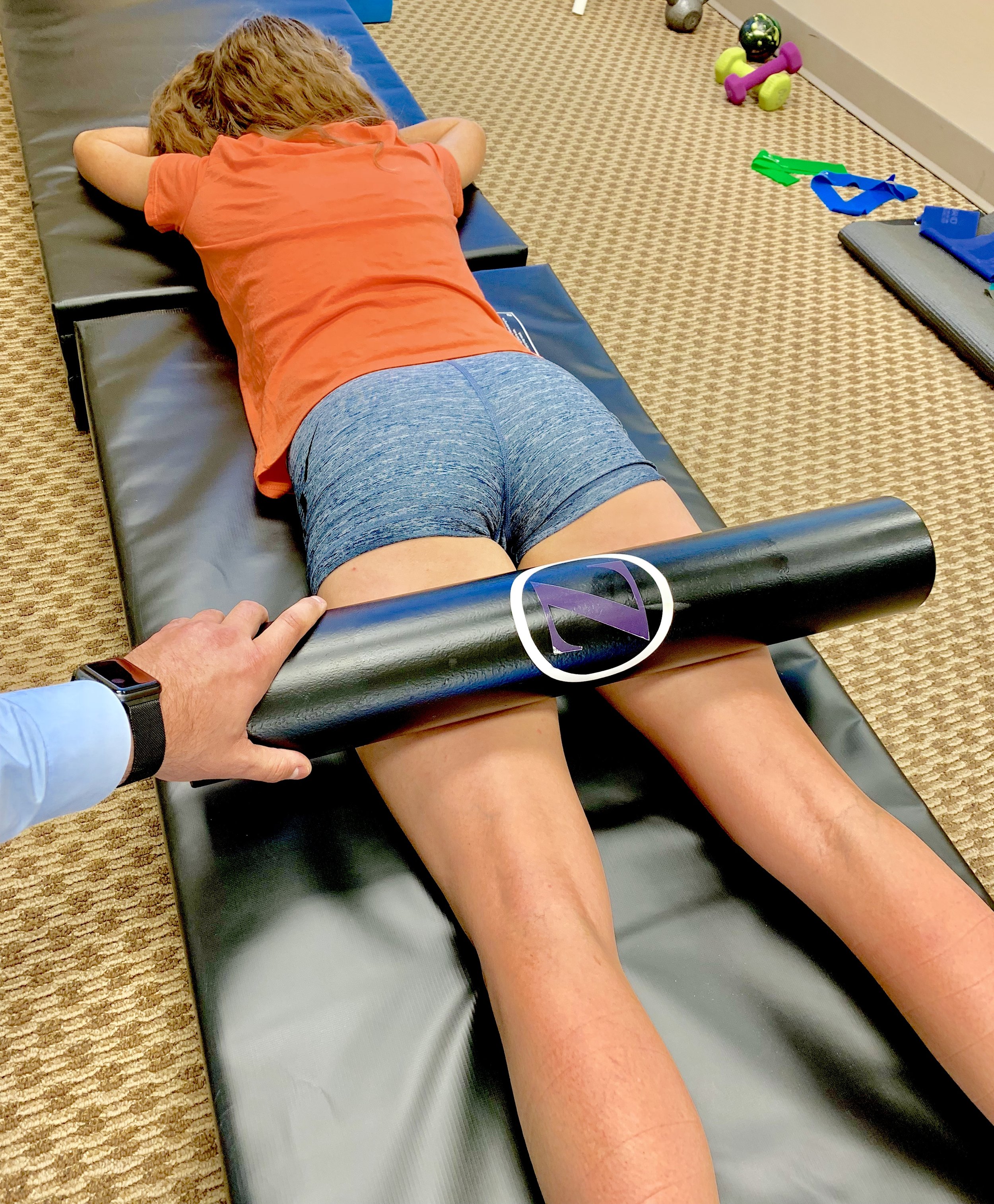
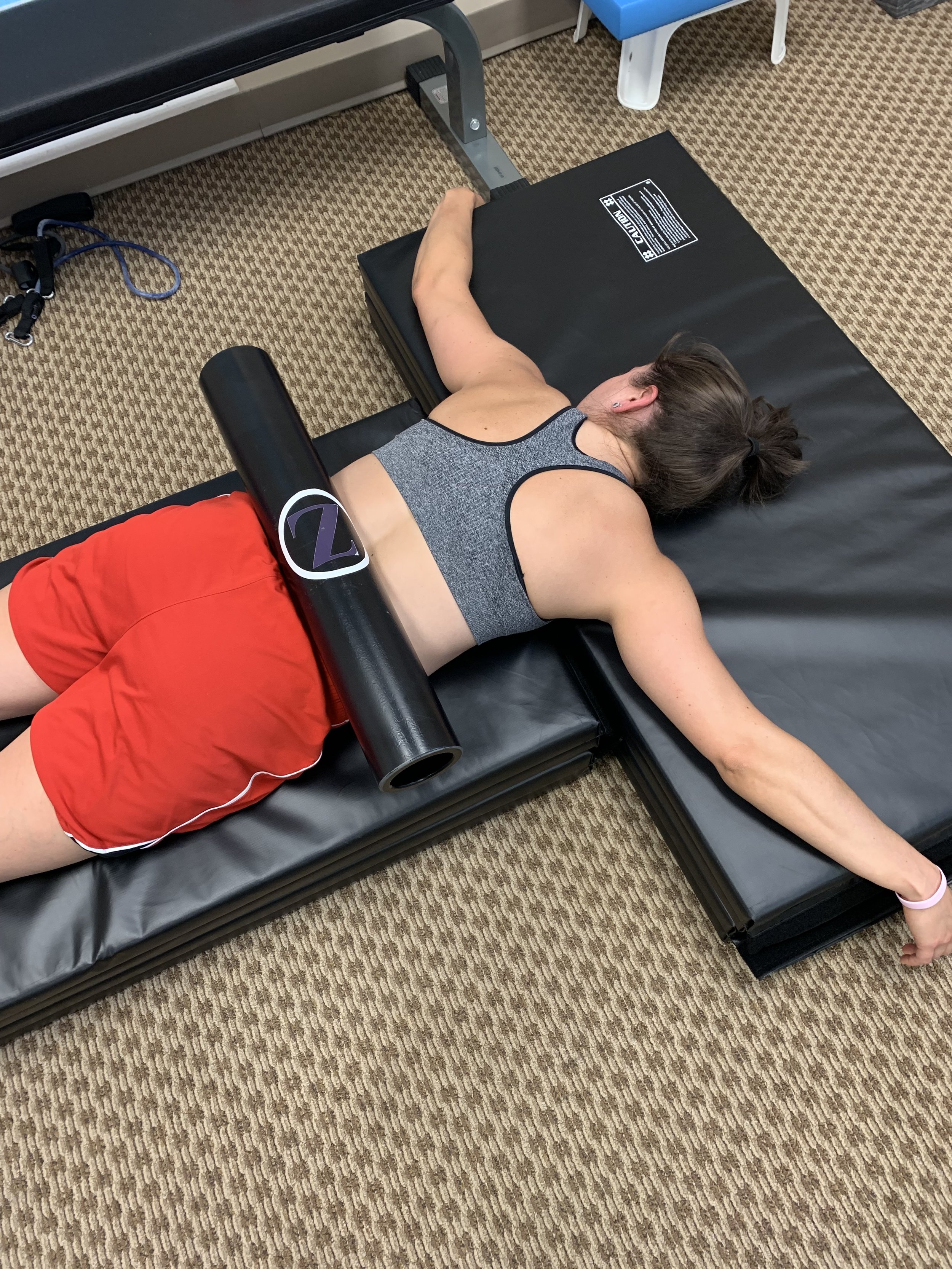
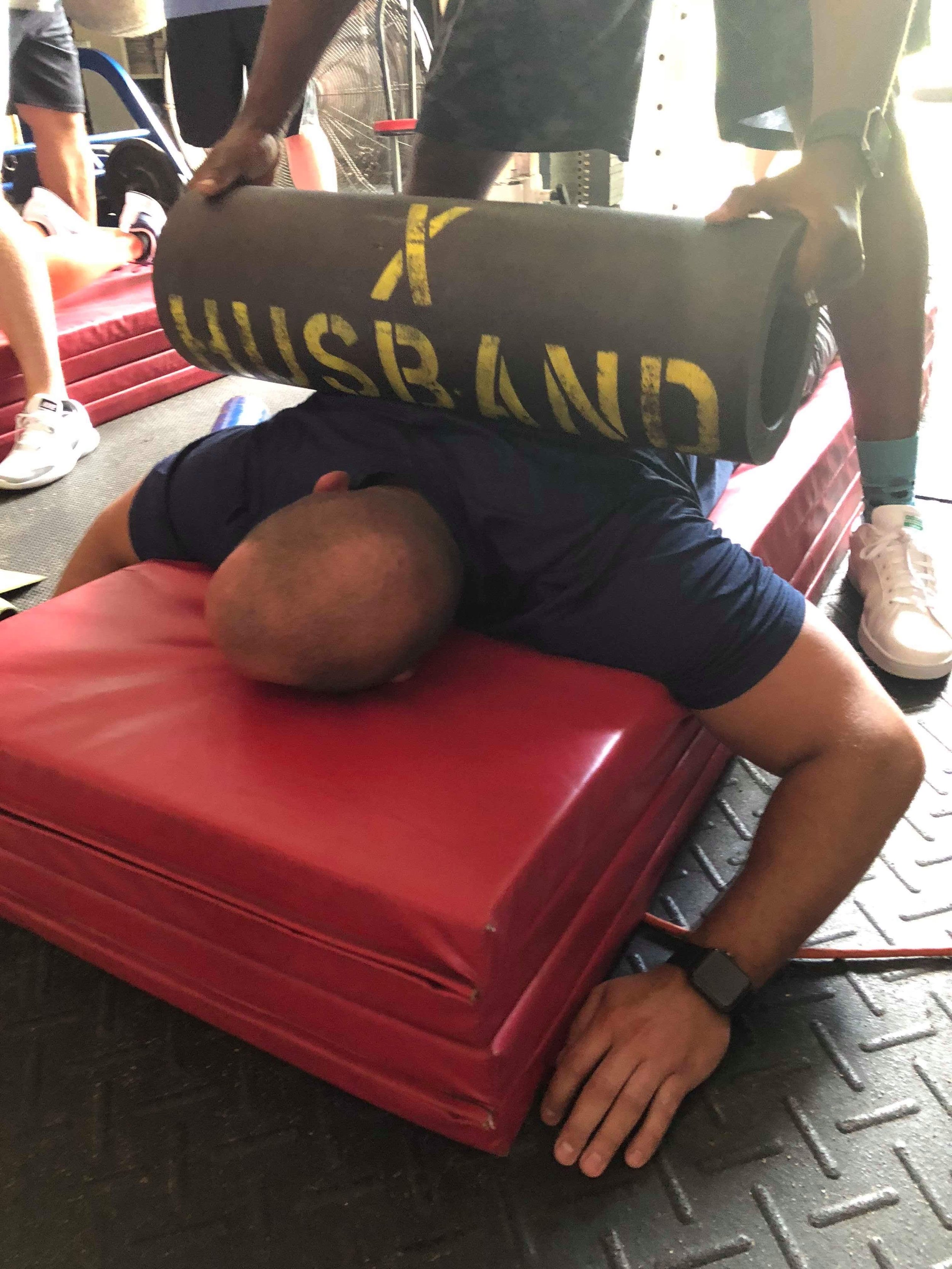
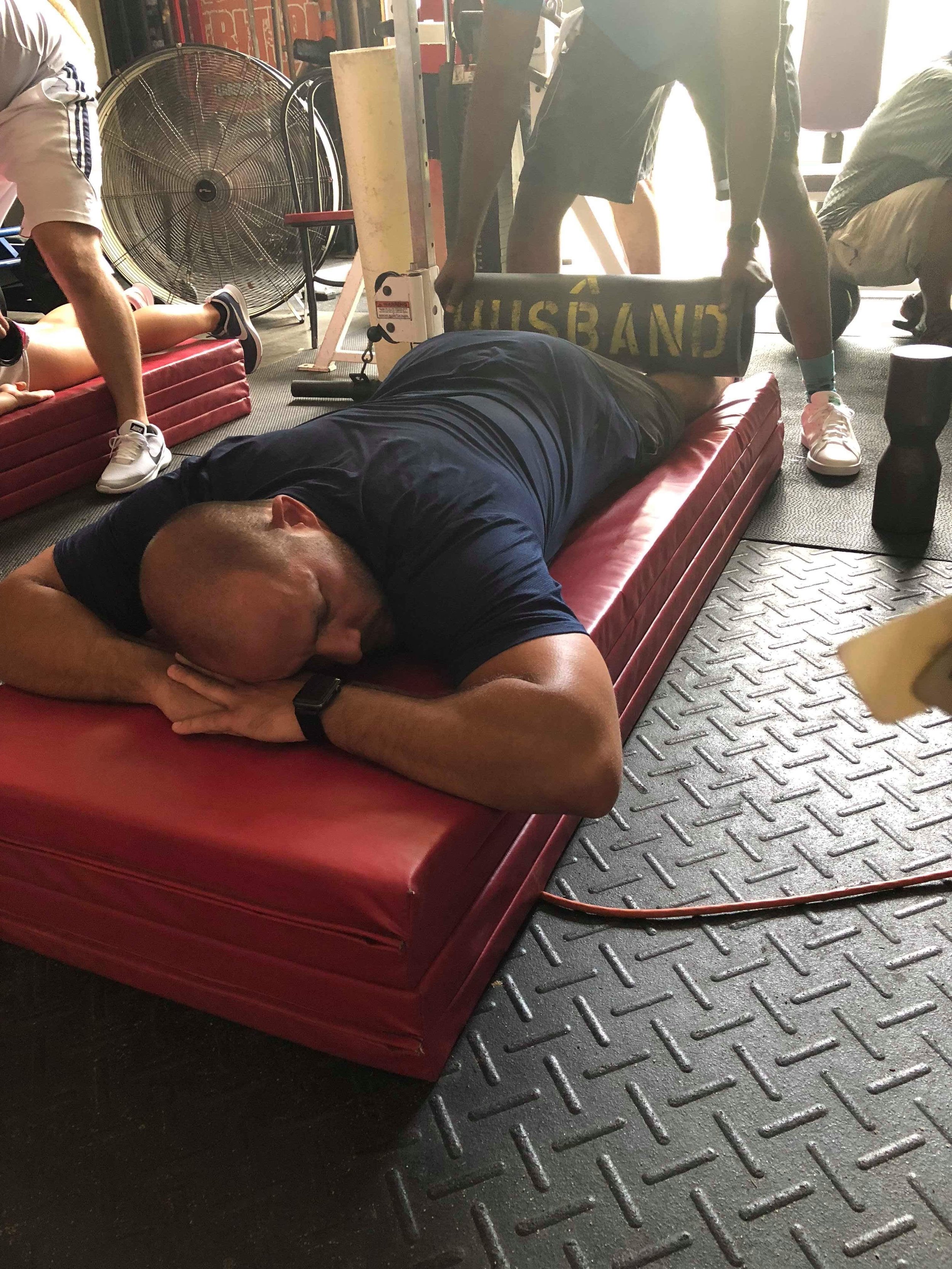
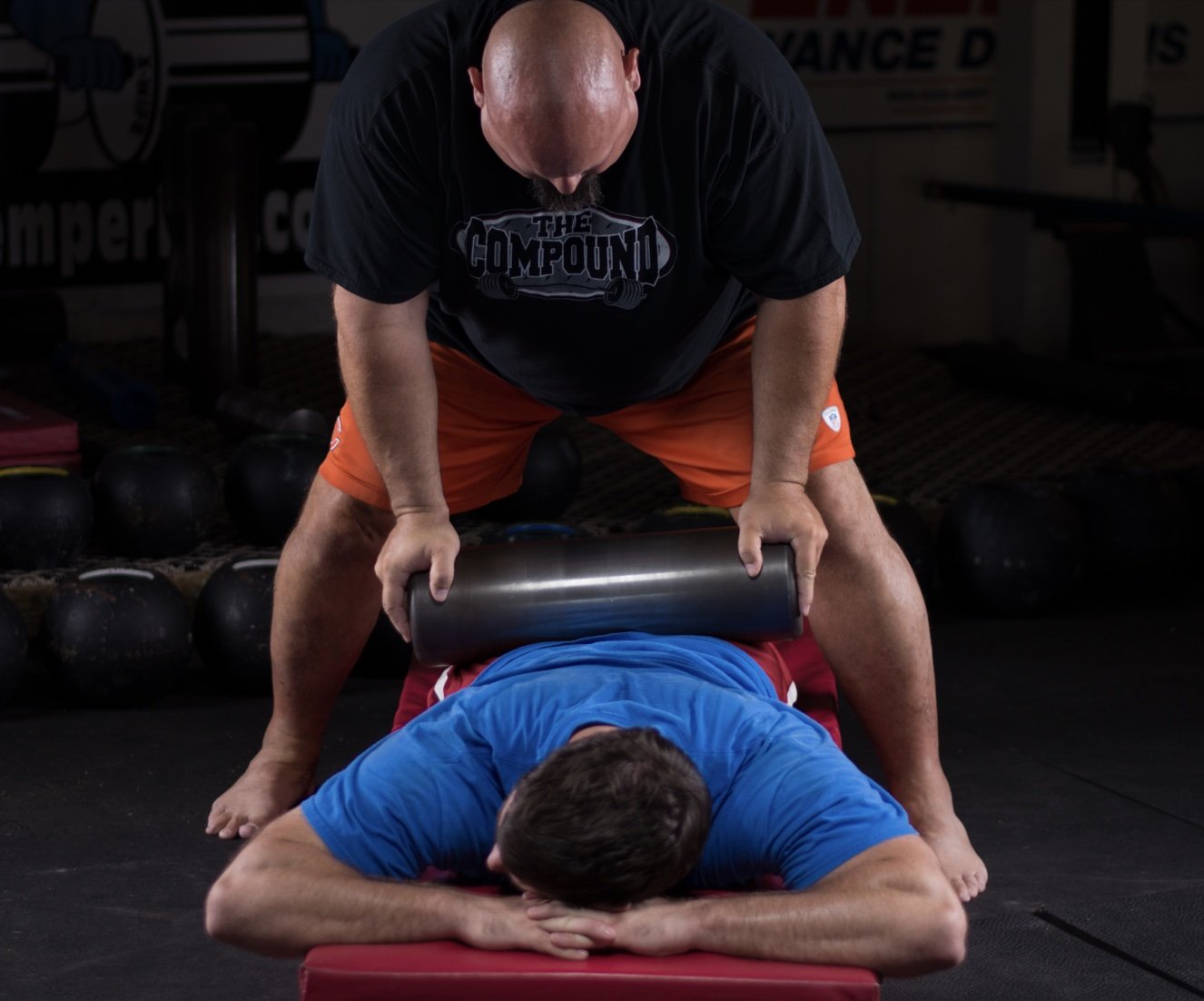
Body tempering involves placing weighted cylinders over targeted muscle groups to apply sustained, controlled pressure.
Body tempering may help:
Reduce excessive muscle tone
Improve tissue tolerance to load
Support recovery from training or work stress
Improve comfort with movement
It is not massage and is not applied randomly — placement and duration are chosen carefully.
Body Tempering was developed by Donnie Thompson in 2014. It is common for people to use foam rollers, lacrosse balls etc. to roll on and over tissues that feel tight or sore in an effort to improve the way they feel and/or function. Body Tempering is working on this same principle but with exponentially greater effect. The weight is much heavier and the patient can lay passively while the weights are passed over them vs. having to actively hold yourself in an awkward position to get the job done such is the case with foam rolling. The result is considerably greater with minimal effort by the patient.
There are many theories on how and why Body Tempering is effective. Dr. Zacharko primarily uses this modality in an effort to reduce neuromyofascial tone and therefore the feeling of “tightness”. In addition, rolling heavy weights or keeping a heavy weight statically on a tendon or other connective tissue should cause that tissue to become stronger over time and thus better able to tolerate the forces an athlete is asking the tissues generate during their particular sport.
What Does Body Tempering Help With?
Body tempering is often used for:
Chronic muscle tightness
Large muscle groups (quads, hamstrings, glutes, calves)
Post-training recovery
Athletes or highly active individuals
Muscles that remain tight despite other interventions
Not all patients require body tempering — it is used when appropriate and tolerated.
How OPTC Uses Body Tempering Differently
At OPTC, body tempering is:
Integrated with movement assessment
Combined with manual therapy or joint work
Used to prepare tissues for movement retraining
Adjusted carefully for comfort and tolerance
The goal is improved movement and resilience — not discomfort.
What Does Body Tempering Feel Like?
Patients commonly describe body tempering as:
Deep pressure
Initially uncomfortable but tolerable
A sense of “release” afterward
Improved ease of movement following treatment
Treatment intensity is always adjusted based on patient feedback.
Conditions That Often Benefit From Body Tempering
Body tempering is often used as part of treatment for:
Chronic Muscle Tightness
Hip Pain & Stiffness
Back Pain
Post-training muscle soreness
Is Body Tempering Right for You?
Body tempering is one of many tools used to improve tissue tolerance and recovery.
View Conditions We Treat
Schedule an Initial Evaluation
Read more about Body Tempering by clicking on the links below: