
Full Overview of Services
At Osteopractic Physical Therapy of the Carolinas, our services are centered around hands-on, one-on-one physical therapy focused on restoring movement, reducing pain, and improving long-term physical function.
Rather than treating isolated diagnoses or following preset protocols, we evaluate how your body moves, where restrictions exist, and what is limiting your activity. This allows us to help patients with a wide range of conditions — whether symptoms are acute, chronic, recurring, or preventative in nature.
If you’re unsure which service applies to your situation, that’s normal. Most patients don’t need to choose a treatment — they just need an evaluation.
Hands-On Manual Therapy (Foundation of Care)
Manual therapy is the foundation of treatment at OPTC and is used to restore joint motion, reduce muscle tightness, and improve movement efficiency.
Depending on your needs, manual therapy may include:
Joint mobilization and manipulation
Soft tissue techniques
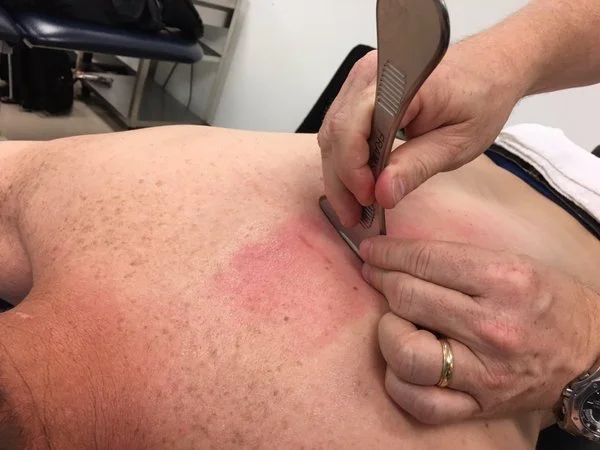
Instrument-assisted soft tissue work
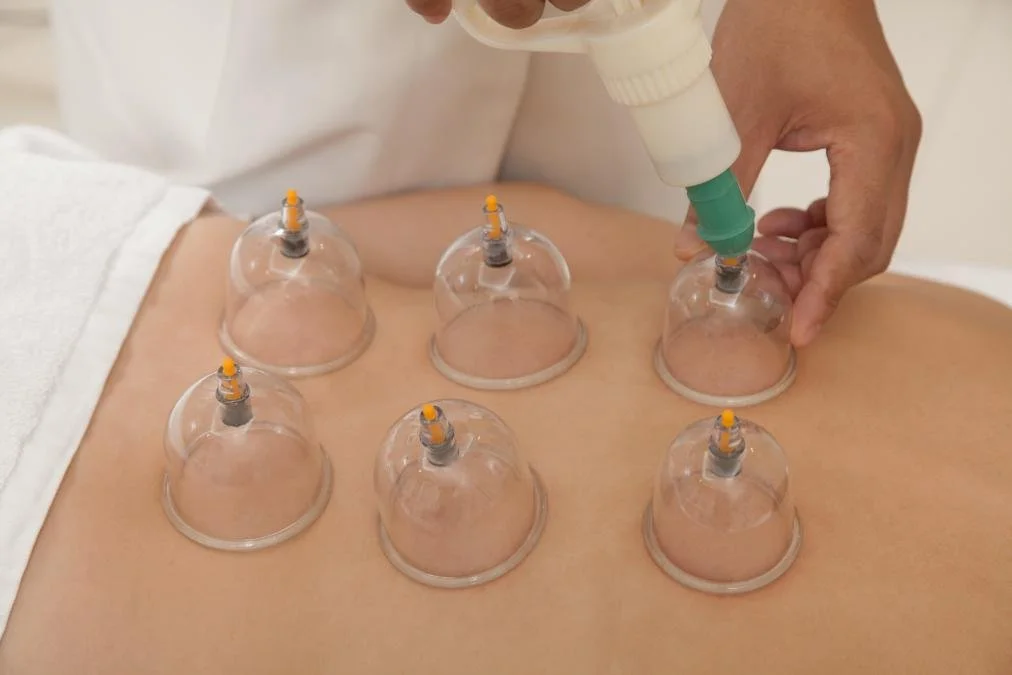
Cupping or body tempering
Targeted hands-on mobility work
Manual therapy is always guided by evaluation findings and integrated with movement retraining when appropriate.
Learn more about Manual Therapy
Spinal & Extremity Manipulation
Spinal and extremity manipulation is used selectively when joint restriction contributes to pain, stiffness, or movement limitation.
This service is:
Performed by a Doctor of Physical Therapy
Applied intentionally, not routinely
Integrated with other hands-on and movement-based care
Learn more about Spinal Manipulation
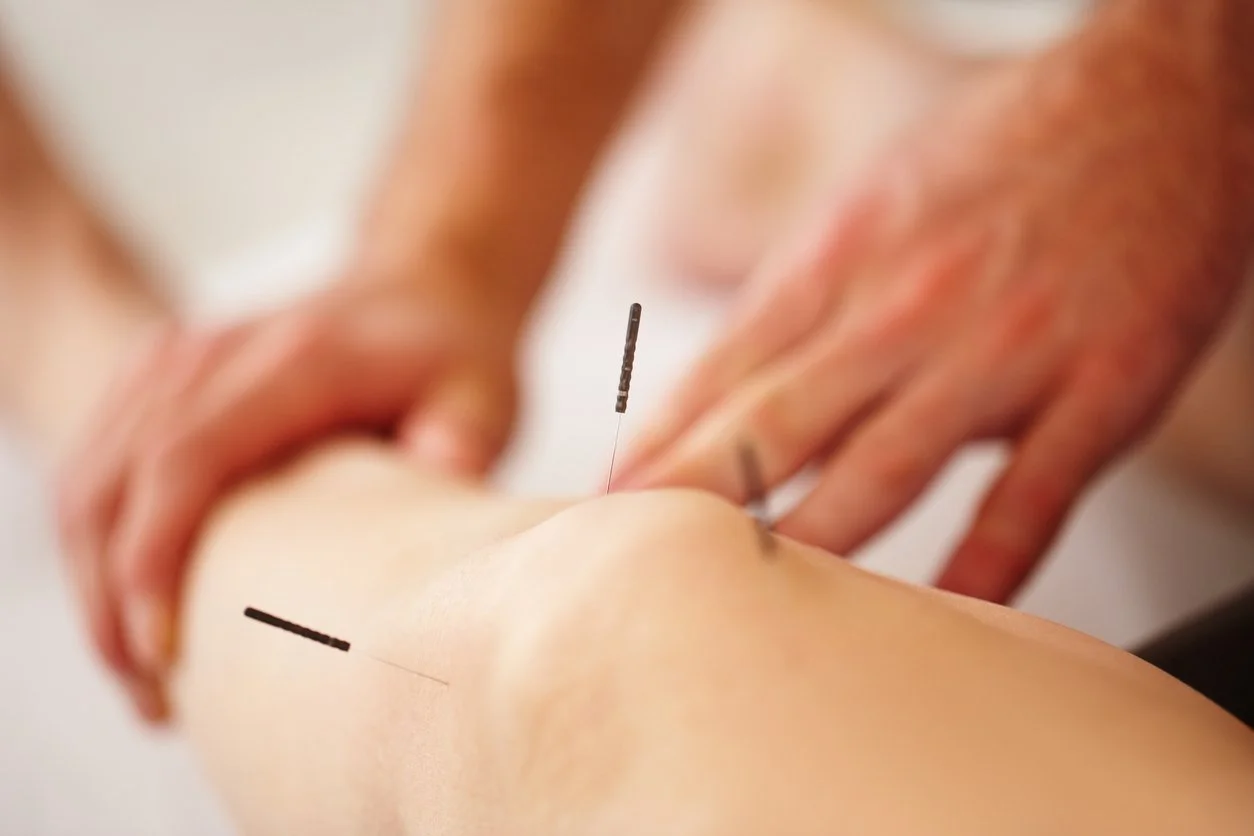
Dry Needling
Dry needling is used to address pain, overactivity, and persistent tightness that does not resolve with stretching or exercise alone.
It is commonly used for:
Tendon-related pain
Persistent stiffness that does not resolve with stretching
Headaches, TMJ
Nerve impairments
Spinal pain
Shoulder & knee pain
Plantar fasciitis
And more!
Cupping Therapy
Cupping therapy is a soft tissue technique used to improve tissue mobility and reduce restriction by lifting, rather than compressing, underlying tissues.
It is often used when muscles feel restricted, guarded, or resistant to other approaches.
Learn more about Cupping Therapy
Body Tempering
Body tempering uses controlled pressure over larger muscle groups to reduce muscle tone and improve tissue tolerance, particularly in active individuals.
It is commonly used for recovery, chronic tightness, and heavily loaded muscle groups.
Learn more about Body Tempering
Therapeutic Exercise, Mobility & Strengthening
Therapeutic exercise is used at OPTC to support and maintain the gains made through hands-on treatment, not replace it.
Rather than prescribing generic exercise programs, we focus on:
Restoring lost mobility
Improving joint control and coordination
Building strength where it supports movement efficiency
Reducing the likelihood of recurring symptoms
Exercises are selected based on what is limiting your movement, not based on diagnosis alone.
This approach ensures that improvements carry over into daily life, training, and work — not just the treatment table.
Individualized Exercise Programming
Exercise programming at OPTC is purposeful and minimal, designed to complement hands-on care rather than overwhelm patients with volume.
Programs may include:
Targeted mobility work
Stability and control exercises
Progressive strengthening when appropriate
Guidance on activity modification
Patients are given only what they need to maintain progress — not extensive routines for the sake of compliance.
Our goal is improved movement confidence, not dependency on endless exercises.
Learn more about our Exercise Programming
Diagnostic Ultrasound (When Appropriate)
Diagnostic ultrasound is used selectively at OPTC as a clinical assessment tool, not as a treatment modality.
When appropriate, ultrasound may help:
Visualize muscle activation and contraction
Assess tendon structure or irritation
Support clinical decision-making
Improve patient understanding of their condition
Guide treatments such as dry needling
Ultrasound findings are always interpreted in the context of:
Movement assessment
Physical examination
Functional presentation
It is used to inform care, not replace hands-on evaluation.
Preventative & Maintenance Physical Therapy
Not all patients come to OPTC because they are injured.
Preventative and maintenance care is designed for people who want to:
Stay active
Address recurring tightness early
Maintain mobility
Reduce the risk of future injury
This service pairs well with the OPTC monthly membership option.
Learn more about Preventative & Maintenance Care
Explore the OPTC Membership
Not Sure Which Service You Need?
You don’t need to know which technique or service is right for you before scheduling.
If you:
Feel restricted or tight
Have recurring pain
Want to move better
Want to stay active long-term
An evaluation will determine the most appropriate approach.