
Dry Needling
With over 15 years of experience performing dry needling,
Dr. Zacharko is the most experienced dry needling practitioner in the southeast and one of the most experienced nationally. Dr. Z is a Senior Instructor for the Dry Needling Institute through the American Academy of Manipulative Therapy and teaches dry needling across the country to PT's, DO's and MD's. Dr. Zacharko's mastery of the skill and knowledge of the research surrounding dry needling is second to none.
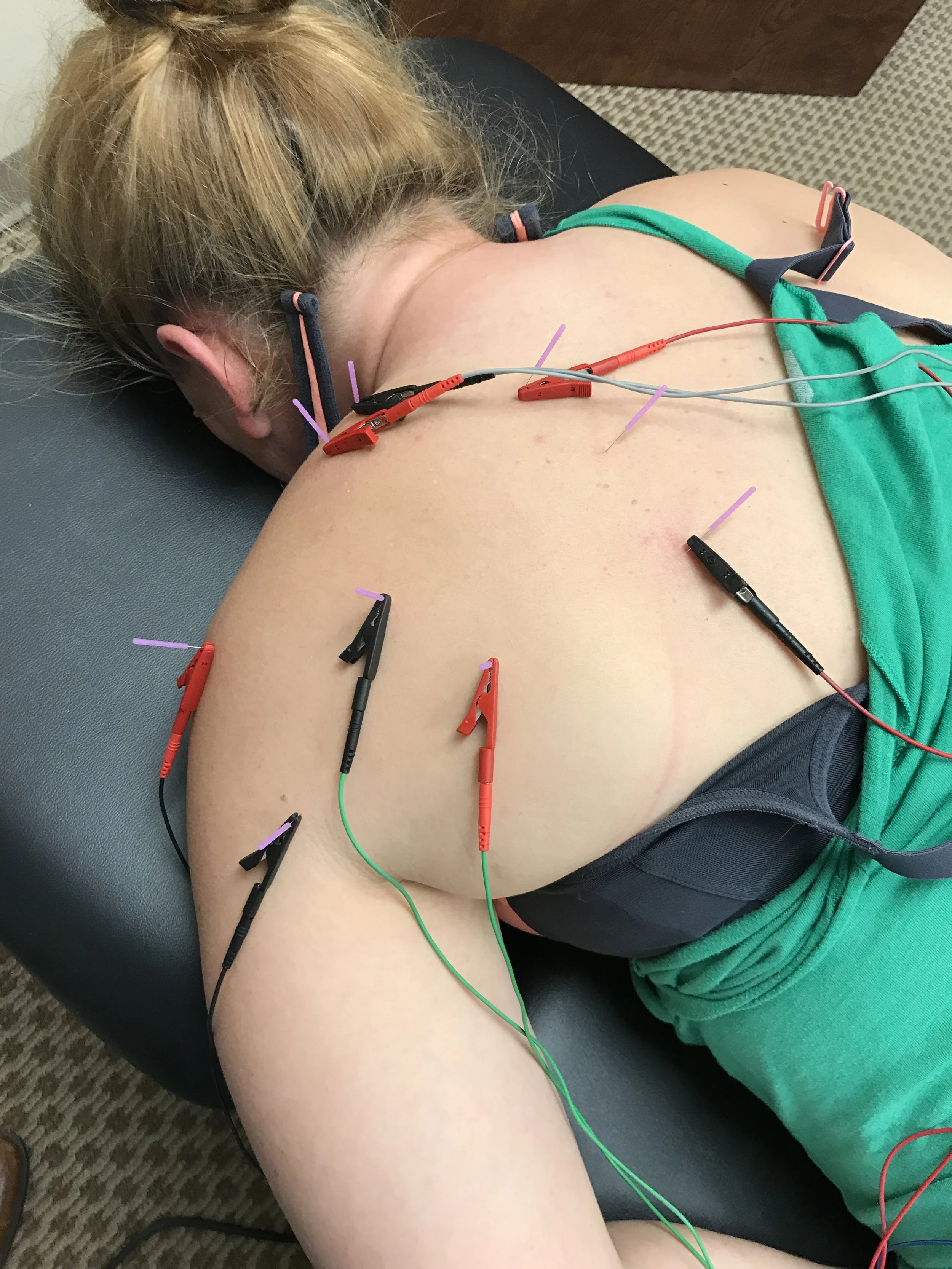
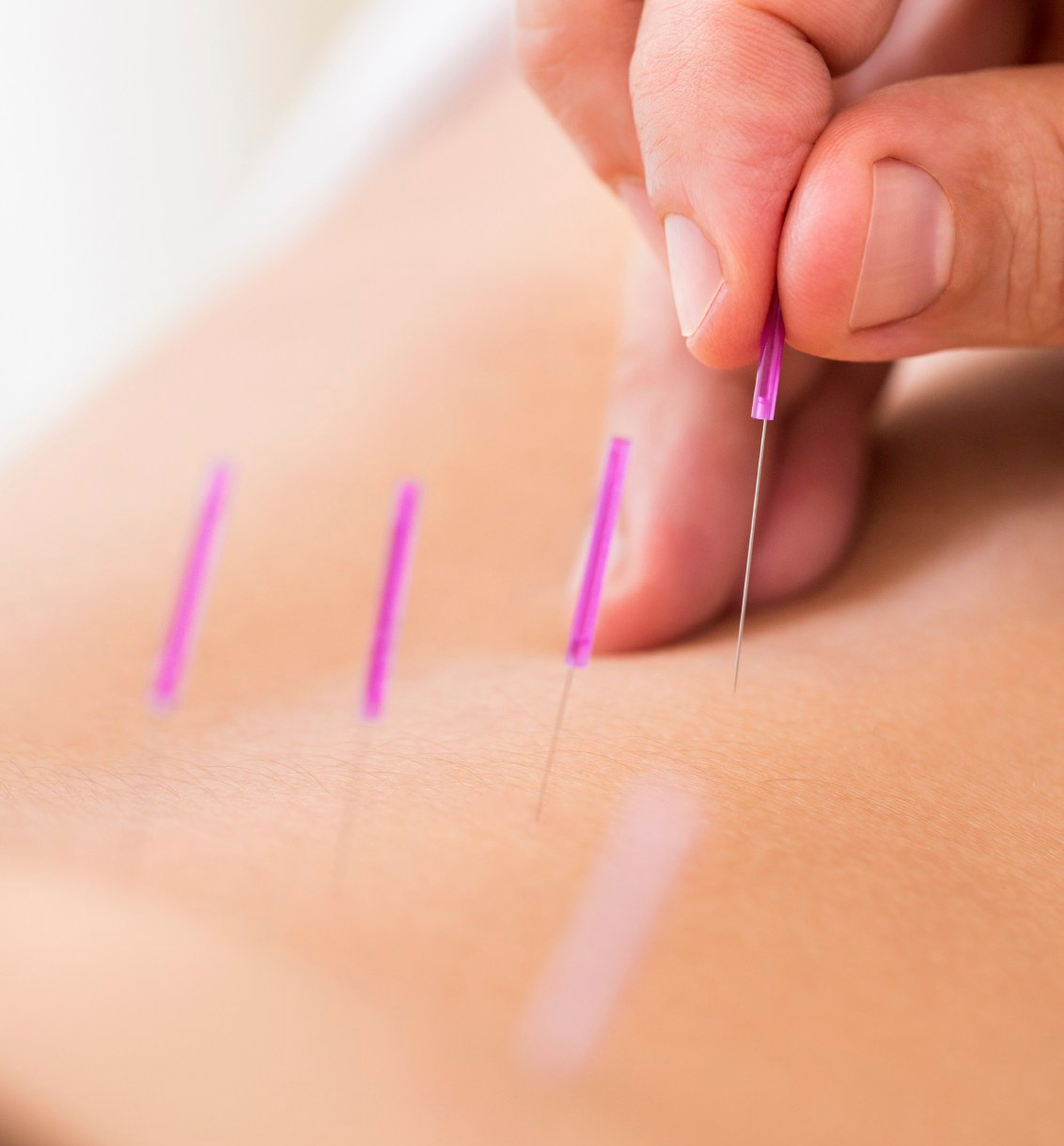
Dry needling is an effective treatment for reducing muscle tightness, improving movement, and addressing pain often driven by muscular overactivity. Dry needling can be used in painful “knots” in muscles (commonly known as trigger points), tendon and ligaments, cartilage, or near nerves and vessels in order to stimulate a healing response with the goal of permanently reducing pain and dysfunction. At Osteopractic Physical Therapy of the Carolinas, dry needling is used as part of a comprehensive, hands-on physical therapy approach.
All dry needling is NOT created equally. The treatment can vary greatly depending on who is administering it. Patients are wise to do their homework and select a doctor that has the skill level and experience to perform dry needling safely and who can get the BEST results. Dr. Zacharko teaches dry needling and other manual therapies nationally to other healthcare providers. He and the therapists at OPTC are where other dry needling clinicians go when they need treatment!
Patients often seek dry needling when stretching, exercise, or other treatments have not provided lasting relief. Unlike injections, dry needling does not involve medication.
When performed appropriately, dry needling can:
Reduce muscle tightness
Improve local blood flow
Restore normal muscle activation
Improve movement quality
Reduce pain and improve function
When Is Dry Needling Used in Physical Therapy?
Dry needling is commonly used to combat pain or movement limitation, including:
Chronic muscle tightness
Neck and shoulder tension
Tendon-related pain (tendinopathy)
Hip or gluteal tightness
Persistent stiffness that returns after stretching
Dry needling is not used for everyone and is only applied when clinically appropriate.
How OPTC Uses Dry Needling Differently
Treatment decisions are based on:
Joint mobility
Movement patterns
Muscle tone and coordination
The demands of your daily life or sport
Dry needling is often combined with:
Movement retraining
Education to maintain results
This integrated approach helps results last longer than needle-only care.
What Does a Dry Needling Session Feel Like?
Patients describe dry needling differently. Some feel little or no discomfort, while others notice a brief pinch followed by a short, achy sensation. Needle placement generally takes only a few seconds. When electrical stimulation is used, patients commonly describe a comfortable rhythmic muscle contraction.
Mild soreness, similar to post-exercise soreness, may occur for several hours, although many patients report little or no soreness. Your Doctor of Physical Therapy will explain the process, discuss what to expect, and ensure that the treatment is appropriate and comfortable for you.
The needling techniques used at OPTC are often different than used what is utilized at other facilities. There are many different styles utilized by providers. The therapists at OPTC use techniques that more comfortable and work faster with minimal post needling soreness.
Your doctor will walk you though the entire process, what to expect and ensure the treatment is comfortable and appropriate for you.
Conditions That Often Benefit From Dry Needling
Dry needling is frequently used as part of treatment for:
Shoulder Pain
Tendon-related pain
Headaches
TMJ dysfunction
Plantar fasciitis
See the full list of conditions we treat
Conditions Overview
Is Dry Needling Safe?
Yes — when performed by a Doctor of Physical Therapy with appropriate training, dry needling is safe and effective. All providers at OPTC have the highest level training available.
At OPTC:
Patients are screened thoroughly
Treatment is conservative and intentional
Consent and education are always provided
Is Dry Needling Like Acupuncture?
Dry needling is distinct from acupuncture and is applied using a different clinical framework, evaluation process, and treatment objective. The ideology between dry needling and traditional Chinese acupuncture are completely different.
Not Sure If Dry Needling Is Right for You?
Dry needling is just one tool. The most important step is identifying why your symptoms are occurring.